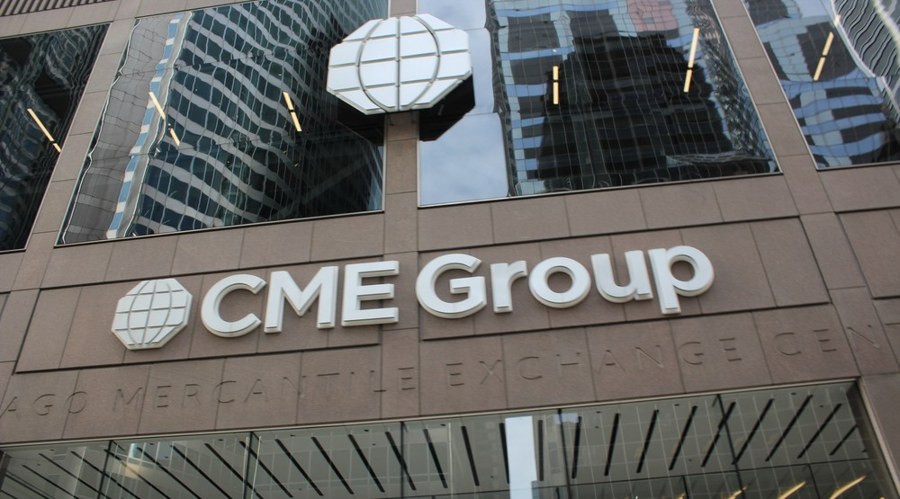
The world of sports is rapidly evolving, and with it, the financial landscape that surrounds it. Have you ever thought about how sports performance can shape investment opportunities? The CME Group is taking a bold step by introducing futures and options tied to the newly unveiled FutureSports Performance Indexes. This innovative approach aims to extend trading beyond singular event outcomes, creating a structured way for institutional investors to engage with the sports sector. In this article, we will explore the implications of this shift, the unique features of the FutureSports initiative, and its potential impact on both the financial and sports industries.
Understanding FutureSports Performance Indexes
FutureSports has emerged as a key player in the financial markets, offering a new way to measure and trade on sports performance. Unlike traditional prediction markets that focus on discrete outcomes like winning or losing, these new indices will continuously track the statistical performance of athletes and teams. Why is this significant? Because it allows for a more nuanced approach to investing in sports, turning performance metrics into viable financial instruments.
How Futures and Options Will Work
You might wonder how these futures and options will operate. The anticipated launch will feature monthly and quarterly cash-settled futures, which means they will not require physical delivery of an asset. Instead, they will settle in cash based on the index values, similar to conventional equity-index derivatives. This structure not only simplifies the trading process but also aligns with established financial practices, making it easier for institutional investors to engage with sports performance data.
- Continuous valuation based on statistical performance
- Cash settlement rather than physical delivery
- Standard expirations to simplify trading
Governance and Data Integrity in FutureSports
Integrity is crucial in financial markets, and FutureSports aims to uphold this through strict governance and transparency. The indices will utilize rules-based methodologies and rely on officially reported league statistics. While sports leagues will contribute the necessary data, they will not influence the index values or governance, ensuring an unbiased framework. This commitment to data integrity aligns with the IOSCO Principles for Financial Benchmarks, which is vital for establishing credibility in the marketplace.
Targeting Institutional Investors and Market Makers
The introduction of FSPI products is not aimed at casual sports fans; rather, it targets institutional players like asset managers and professional trading firms. These entities are expected to provide liquidity, facilitating a more robust trading environment. Additionally, businesses connected to sports—such as sponsors and insurers—will find value in these instruments as they help manage risks linked to fluctuations in sporting performance.
The Future of Sports as a Financial Asset Class
FutureSports co-founder Rhett Dinsdale believes that the rise of prediction platforms signals a shift in how sports can be viewed as a financial asset class. By creating benchmarks for institutional trading, FutureSports is positioning itself as a pioneer in this emerging market. Although futures and options products are still pending regulatory approval, the potential applications are vast, including exchange-traded funds and over-the-counter swaps.
Conclusion
As the CME Group prepares to launch these groundbreaking financial instruments, it will be interesting to observe how they reshape the intersection of sports and finance. The success of these futures and options could pave the way for a new era where sports performance statistics become a cornerstone for investment strategies. Are you ready to see how this plays out?